

Tree removal
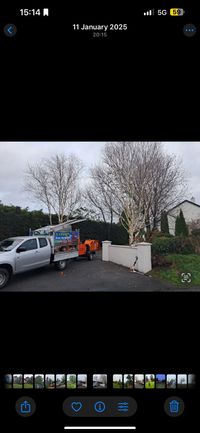
Dead, unstable and wind-damaged trees taken down safely, felled where there is space or dismantled in sections near buildings.
Tree surgery servicesLicensed and insured tree surgeons for Sligo Town, the coast from Enniscrone to Mullaghmore, and the countryside around Ballymote and Tubbercurry. Work planned for Atlantic weather, steep sites and exposed ground.
Trees in Sligo have a harder life than most. They take the full force of Atlantic storms, salt spray along the coast and wet, windy winters on the slopes under Benbulben, Knocknarea and the Ox Mountains. That shows up in the work we get asked to do: wind-damaged and leaning trees, tall shelter belts that have become a worry, coastal hedges scorched by salt, and big old trees in Sligo Town gardens that have outgrown their space.
5 County Tree Surgeons covers the whole county for tree removal, pruning and crown reduction, stump grinding, hedge cutting and storm clean-up. We assess each tree with the local conditions in mind, because a reduction that suits a sheltered garden in Collooney could do more harm than good on an exposed site in Strandhill. You get a clear quote that sets out the work, the timber and the clean-up.
The work we carry out for homes, farms, holiday properties and businesses across the county.
Dead, unstable and wind-damaged trees taken down safely, felled where there is space or dismantled in sections near buildings.
Tree surgery services
Reductions to cut wind load, crown lifts for clearance and deadwood removal, matched to how exposed the tree is.
Pruning and crown work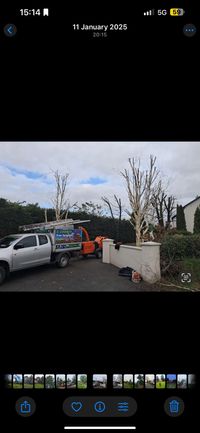
Stumps from felled and storm-thrown trees ground out so the ground can be reinstated.
Stump grinding and removal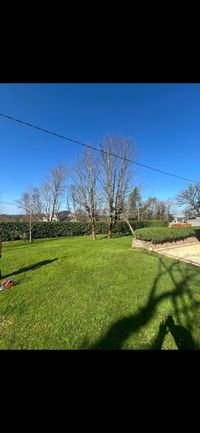
Shelter hedges, garden hedges and overgrown boundaries trimmed or reduced at the right time of year.
Hedge cutting and landscaping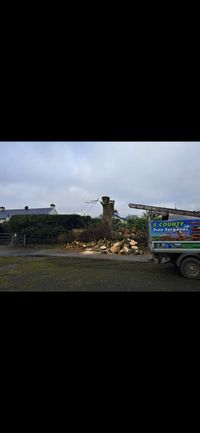
Windblown trees, split trunks and hanging limbs made safe and cleared after Atlantic storms.
Report storm damage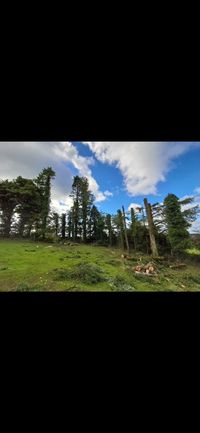
Cypress, pine and sycamore windbreaks reduced, thinned or replaced in stages so the shelter is not lost all at once.
Shelter belt work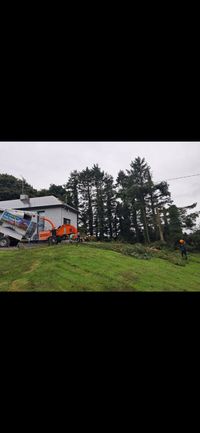
From Enniscrone and Easkey round to Strandhill, Rosses Point, Mullaghmore and Cliffoney, coastal properties rely on trees and hedges for shelter. Those same trees take a constant battering. You can see it in the way they lean inland, with growth on the seaward side stunted and browned by salt.
Monterey cypress and Monterey pine were planted all along this coast as fast-growing windbreaks. Many are now very large, top-heavy and prone to shedding big limbs or failing at the base in storms. Older sycamore shelter belts have similar problems as they age. If those trees are within reach of a house, a road or a caravan park, they need regular checks.
Exposed trees need a different approach from sheltered ones. Heavy thinning lets wind through the canopy in a way the tree is not used to, and removing every other tree in a shelter belt can leave the remaining ones far more likely to blow over. On coastal sites, we usually favour careful reductions that lower the wind load, and staged removal and replanting over several years, so you keep shelter while the problem trees are dealt with. For replacement hedging, salt-tolerant plants such as escallonia, griselinia and fuchsia do well on this coast.
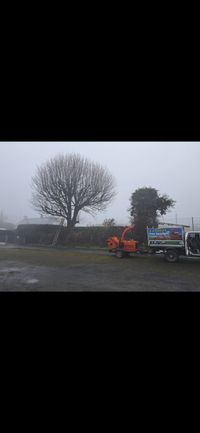
Sligo is among the first places to feel an Atlantic storm. Storms like Éowyn in January 2025 brought down huge numbers of trees across the west and north-west, and the damage does not stop when the wind drops. Trees that survived with cracked trunks, lifted root plates or broken limbs caught in the canopy can fail days or weeks later.
If a tree has been damaged, take these steps:
After a big storm, it is worth walking the property to look at trees that are still standing. A new lean, soil heaved up on one side of the trunk, or a large crack where branches meet are all signs that a tree should be checked before the next storm comes in.
Plenty of Sligo homes are built into slopes under Knocknarea, Benbulben and the Ox Mountains, or at the end of long, narrow lanes. Steep ground changes how trees are taken down, because timber can slide or roll once it is cut, and machinery may not be able to get close. On these sites, we often dismantle trees in smaller sections and lower them on ropes, even where a tree could in theory be felled whole.
Many rural houses also sit right beside conifer plantations. Spruce on wet, peaty upland soils roots shallowly, and the edge trees of a plantation take the full force of the wind. When a plantation edge starts dropping trees towards a house, the plantation owner usually needs to be involved, and felling may need a licence. If the trees are yours, or the owner agrees, we can remove or reduce the trees nearest to your property.
Wet upland ground is also soft for much of the year, so tell us about steep drives, soft patches and how far timber would have to be moved when you ask for a quote.
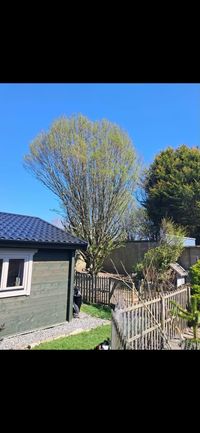
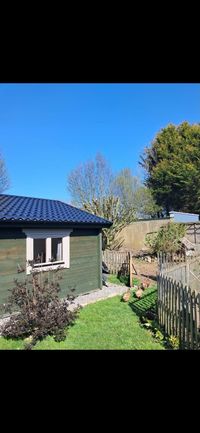
In Sligo Town, the older streets and estates have plenty of mature sycamore, beech, lime and ash that were planted when the houses were built and are now far bigger than the gardens they sit in. Common requests are clearing branches off roofs and gutters, letting light back into a garden, and dealing with roots near old boundary walls.
In tight town gardens, nothing can be dropped, so trees are taken apart piece by piece and carried out through narrow side passages or, sometimes, through the house with the owner's agreement. Neighbouring gardens, parked cars and overhead cables all need to be planned around.
Around Lough Gill and the wooded land around Hazelwood, Calry and Ballintogher, properties often back onto old woodland. Trees on a woodland edge can be very tall and drawn up towards the light, with most of their weight on the open side. A crown reduction on the house side, or removal of the most exposed trees, is usually enough to make a property safe without clearing the woodland.
Hedgerow cutting is restricted under the Wildlife Acts from 1 March to 31 August, with limited exemptions, and it is an offence to destroy an active bird's nest at any time of year. Heavy hedge cutting and reductions are best booked between September and February. See our guide to hedge cutting dates in Ireland for more.
Ash dieback is present across Sligo, particularly in roadside hedgerows and field boundaries in the south of the county around Ballymote, Tubbercurry and Gurteen. Infected ash becomes brittle as it dies and is more dangerous to climb the longer it is left, and landowners are responsible for trees on their road boundaries.
Under the Forestry Act 2014, felling generally needs a licence from the Department of Agriculture, Food and the Marine, with exemptions that include trees within 30 metres of a building and trees in urban areas. Large parts of Sligo's coast, Lough Gill and the Benbulben uplands are designated conservation sites, and some trees are covered by Tree Preservation Orders or planning conditions. Sligo County Council can confirm what applies to a particular property, and older trees may also need a bat check before major work. We raise all of this at quote stage.
Simple whether you live on site or are managing a holiday home from a distance.
Your Eircode, photos of the tree and the problem, and what you want done. Let us know how exposed the site is.
We price clear-cut jobs from photos and arrange a visit for large, damaged or awkward trees.
The area is secured, nearby buildings are protected and the work is done as agreed, with access arranged in advance if you are away.
Brash chipped, timber stacked or removed and the site cleaned up. Absent owners get photos once the job is done.
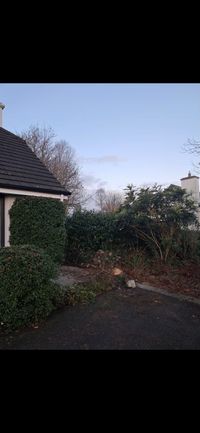
The price comes down to the time and risk involved, not just the size of the tree. A large tree on flat, open ground can be quicker to deal with than a smaller one on a steep bank above a house or in a cramped town garden.
If you have several trees, or a tree plus a hedge, pricing them together on one visit is usually better value.
Get a free quoteTown, coast and countryside.
We cover Sligo Town, Strandhill, Rosses Point, Ballisodare, Collooney, Ballymote, Tubbercurry, Enniscrone, Easkey, Dromore West, Grange, Cliffoney, Mullaghmore, Drumcliff, Carney, Riverstown, Coolaney, Gurteen, Ballintogher and the rural areas around Lough Gill, Lough Arrow and the Ox Mountains.
Along the coast, most of our work involves shelter belts, salt-damaged hedges and storm-affected trees, often for holiday homes. In and around Sligo Town, it is mature garden trees in tight spaces. Inland around Ballymote, Tubbercurry and Riverstown, expect more farm boundaries, roadside ash and conifer windbreaks. Send your Eircode with your enquiry and we will confirm coverage.
Tree removal and pruning in Mullingar, Athlone and County Westmeath.
Tree surgeon WestmeathRemovals, reductions, stump grinding and hedge jobs.
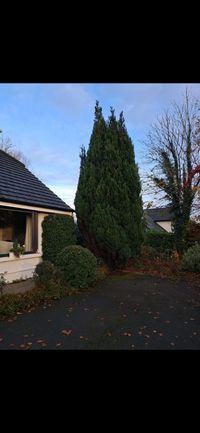
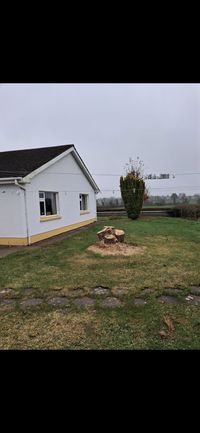
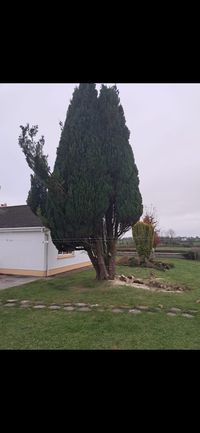
It depends on the tree's size and condition, how exposed and accessible the site is, what is nearby, and whether you want timber removed and stumps ground. Send photos and your Eircode for a free quote.
Not always, but large Monterey cypress and pine on the Sligo coast are often top-heavy and can shed big limbs or fail in storms. If they could reach your house, a road or a neighbour's property, have them checked.
Be careful. Heavy thinning or removing alternate trees can leave the remaining trees much more exposed and more likely to blow over. A staged approach, with reductions and gradual replanting, usually keeps the shelter while dealing with problem trees.
Keep everyone clear. If power lines are involved, stay away and call ESB Networks on 1800 372 999. For a tree blocking a public road, contact Sligo County Council or the Gardaí. Take photos from a safe distance for your insurer, then call us on 085 816 8484.
Yes. We can quote from photos and a site visit, arrange access in advance and send you photos when the job is finished.
Felling generally needs a licence from the Department of Agriculture, Food and the Marine, with exemptions including trees within 30 metres of a building and trees in urban areas. Plantation, woodland and field boundary trees usually need a licence.
The Wildlife Acts restrict cutting hedgerows from 1 March to 31 August, with limited exemptions, and active nests are protected all year. Heavy cutting is best booked between September and February.
Yes. 5 County Tree Surgeons is licensed and fully insured, and we can show proof of insurance before work starts.
The whole county, including Sligo Town, Strandhill, Rosses Point, Ballymote, Tubbercurry, Collooney, Enniscrone, Grange, Mullaghmore and the surrounding rural areas.
Send a photo of the tree, your Eircode and a short description, and we will come back to you with a free quote. You can also read more about our tree surgery and stump grinding services.