


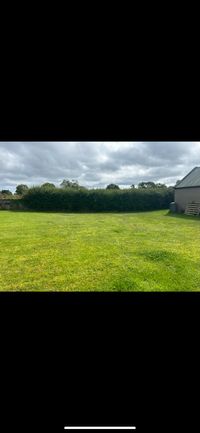
Tree felling and removal
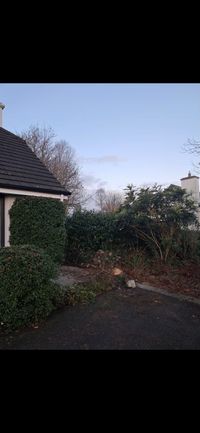
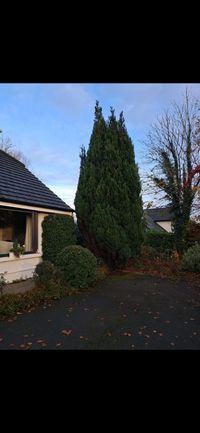
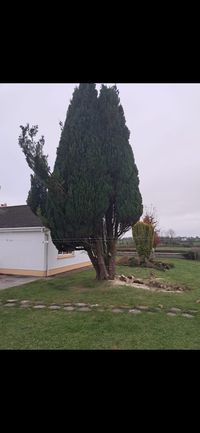
Unsafe, dead and unwanted trees removed by straight felling where there is room, or dismantled and lowered in sections close to buildings.
Tree surgery servicesLicensed and insured tree surgeons working from the Shannon shore to Boyle and Ballaghaderreen. Careful work on everything from small garden trees to big old demesne beech.
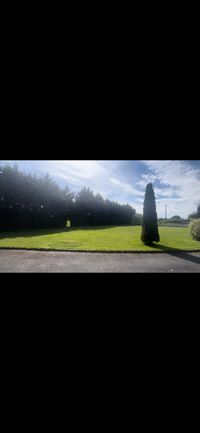
Roscommon stretches a long way, from Monksland and the Shannon at Athlone up to the Arigna hills and Lough Key, and the tree work changes along with it. On the eastern side, it is riverside properties and ground that floods most winters. In the south, it is thin soil over limestone. Around Boyle, Strokestown and Castlerea, it is often big, old estate trees that have been growing for well over a century.
5 County Tree Surgeons takes on tree removal, pruning and crown reduction, stump grinding, hedge cutting and storm clean-up across the county. We look at each tree on its own merits, explain whether it can be kept or needs to come down, and give you a straightforward quote that covers the cutting, the timber and the clean-up.
What we do for homeowners, farmers, landlords and businesses across the county.
Unsafe, dead and unwanted trees removed by straight felling where there is room, or dismantled and lowered in sections close to buildings.
Tree surgery services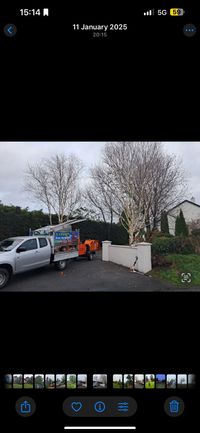
Lifting, thinning and reducing crowns to clear roofs, roads and driveways and let light back into the garden.
Pruning and crown work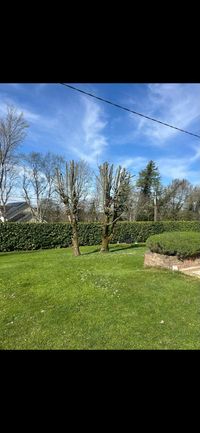
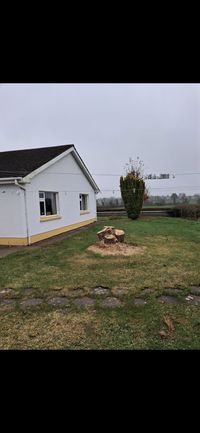
Stumps ground out below ground so the area can be levelled, reseeded or replanted.
Stump grinding and removal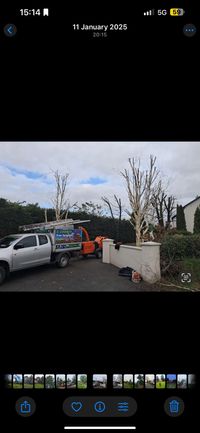
Garden hedges kept in shape and overgrown boundary and roadside hedges cut back outside the nesting season.
Hedge cutting and landscaping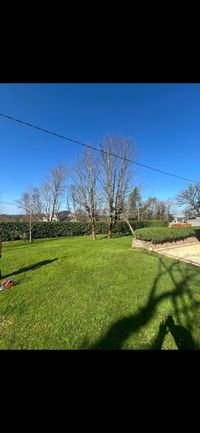
Fallen and leaning trees made safe after storms, and trees weakened by long periods of flooding assessed and dealt with.
Report a damaged tree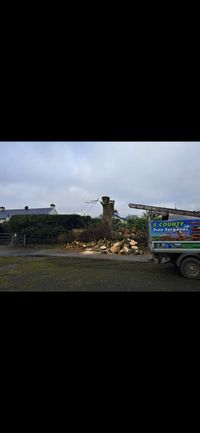
Deadwooding, reductions and safety work on old beech, oak, lime and chestnut, keeping them standing wherever it is safe.
Mature tree care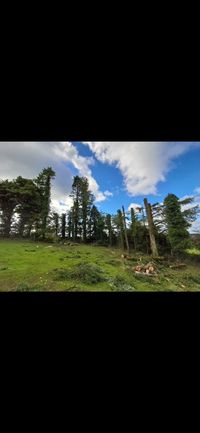
The whole eastern edge of Roscommon follows the Shannon, from Lough Ree past Ballyleague, Tarmonbarry and Rooskey and up towards Lough Allen. Large parts of that land are callows: low meadows that flood every winter and sometimes well into spring.
Most trees can cope with a few days of flooding. Weeks of standing water are a different matter. Roots need oxygen, and when they are submerged for long periods they start to die back. The damage often does not show until the following summer, when the crown thins out, leaves stay small or whole branches fail to come into leaf. Saturated ground also loosens a tree's grip, so trees on flooded land are much more likely to blow over in the next storm.
If your property floods regularly, keep an eye on trees within reach of the house, sheds or the road, especially after a wet winter. A lean that was not there before, cracked or heaving soil around the base, or a tree that leafs out poorly after a flood are all good reasons to get it checked. Work on callow ground is usually best planned for late summer and autumn, when the land has dried out enough for safe access.
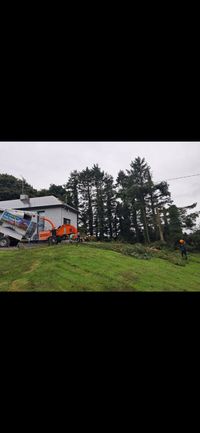
Much of south Roscommon sits on limestone, with thin, free-draining soil over rock in many places. Trees here tend to send roots out wide rather than down deep, and on exposed sites that can leave them vulnerable to being levered over in high winds even though the ground itself is firm.
Shallow rock also matters for stump grinding. On some sites, the grinder reaches stone well before the usual working depth. That is fine for reseeding a lawn but worth knowing if you plan to replant a tree or lay a path in the same place. We will tell you at quote stage if we expect to hit rock.
The same limestone landscape gives Roscommon its turloughs, the seasonal lakes that appear in winter and drain away in summer. Several are protected conservation sites. If your land borders a turlough or a stretch of the Shannon callows, mention it when you get in touch so we can check whether any restrictions apply before work is booked.
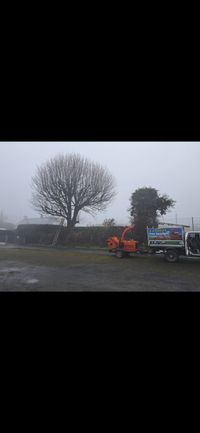
Roscommon has more than its share of old estate land, around places like Boyle, Strokestown, Castlerea, Rockingham and Mote Park. Many houses, schools, churches and farms built on or beside former demesnes have huge beech, oak, lime, sycamore and horse chestnut trees that were planted generations ago.
These trees are worth keeping wherever possible, but they need different care from a garden tree. Common issues we see include:
In most cases, targeted deadwooding and a sensitive crown reduction can make an old tree much safer while keeping its character. Removal is the last resort. Old trees often host bats and nesting birds, so any major work is planned with that in mind.
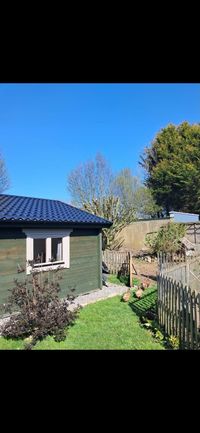
Roscommon's farmland is laced with hedgerows, and ash grows in most of them. Ash dieback is now widespread across the county. Affected trees thin out from the top down, with bare dead tips and bunches of new shoots on the trunk, and the dead wood becomes brittle quickly. Roadside ash is the biggest worry, since landowners are responsible for trees growing on their road boundaries.
It is generally easier and safer to deal with a dying ash while it still has some strength in it than to wait until it is completely dead. If you have several affected trees along a lane or roadside, we can price them as one job and plan any traffic management needed.
For hedges, the Wildlife Acts restrict cutting hedgerows from 1 March to 31 August, with limited exemptions, and active nests are protected at any time of year. Heavy cutting and reductions are best booked from September to February. Our hedge cutting dates guide covers this in more detail.
Felling a tree in Ireland generally needs a felling licence under the Forestry Act 2014, issued by the Department of Agriculture, Food and the Marine. Trees within 30 metres of a building and trees in urban areas are among the exemptions, which covers most garden trees beside a house. Field boundary trees, woodland and plantation trees on farmland are a different story, so check before felling them.
Trees may also be protected by a Tree Preservation Order, a planning condition or a conservation designation. Lough Ree, parts of the Shannon callows and several turloughs are designated sites, and Roscommon County Council can confirm what applies to a particular property. Mature trees, especially on old estate land, are prime bat habitat, and all Irish bat species are protected. We flag all of this before the work is booked.
What to expect when you book us in Roscommon.
Send your Eircode, a photo of the whole tree and a quick description. Mention flooding, rock or tricky access if they apply.
We price simple jobs from photos and visit for larger trees, mature specimens and anything near water or buildings.
The area is made safe, nearby structures are protected and the job is done to the agreed plan.
Branches chipped, timber cut and stacked or removed, and the ground left tidy.
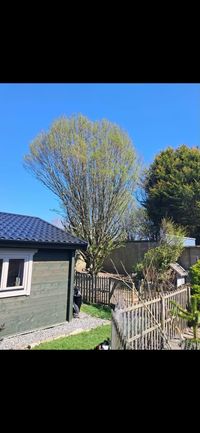
We do not quote from height alone, because height is rarely what decides how long a job takes. A big beech in an open paddock may be quicker to deal with than a much smaller tree wedged between a house and a boundary wall in Roscommon Town.
Booking several trees or a tree plus a hedge on the same visit keeps costs down compared with separate callouts.
Request a free quoteTowns, villages and rural properties right across the county.
We cover Roscommon Town, Boyle, Castlerea, Ballaghaderreen, Strokestown, Elphin, Monksland, Athleague, Ballinlough, Ballyforan, Knockcroghery, Lecarrow, Ballyleague, Tarmonbarry, Rooskey, Keadue, Frenchpark and Arigna, along with the rural townlands in between.
Monksland and the estates on the Roscommon side of Athlone are mostly garden-scale jobs: overgrown leylandii, trees too close to houses and stumps left by builders. Around Lough Ree and the Shannon villages, it is often lakeside and flood-affected trees. North towards Boyle, Lough Key and Arigna, expect more mature woodland edges, conifers and exposed hillside sites. Send your Eircode and we will confirm coverage.
Just across the Shannon, covering Longford Town and the whole county.
Tree surgeon LongfordFelling, pruning, stump grinding and hedge jobs.
Every job is priced individually based on the size and condition of the tree, access, what is nearby, ground conditions and what you want done with the timber and stump. Send photos and your Eircode for a free quote.
Yes. Most trees can handle short floods, but weeks of standing water starve the roots of oxygen and cause them to die back. Damage often shows the following summer as a thin crown or dead branches, and flooded trees are more likely to blow over.
Yes. Work on low-lying land is usually planned for drier months, and some parts of the Shannon and several turloughs are designated conservation sites where restrictions may apply. Tell us the location and we will help you check.
Often, yes. Deadwooding and a careful crown reduction can make a large mature tree much safer while keeping it standing. We only recommend removal where the tree cannot be made safe.
Felling generally needs a licence from the Department of Agriculture, Food and the Marine, but trees within 30 metres of a building and trees in urban areas are exempt. Field boundary and woodland trees on farmland usually need a licence.
The Wildlife Acts restrict cutting hedgerows from 1 March to 31 August, with limited exemptions, and active nests are protected all year. Heavy cutting is best booked between September and February.
Yes, although on shallow limestone soils the grinder may hit rock before the usual depth. That is fine for reseeding a lawn, and we will tell you at quote stage if rock is likely to limit the depth.
Yes. 5 County Tree Surgeons is licensed and fully insured, and we can provide proof of insurance before work begins.
The whole county, including Roscommon Town, Boyle, Castlerea, Ballaghaderreen, Strokestown, Elphin, Monksland and the villages along the Shannon.
Send us a photo of the tree, your Eircode and what you would like done, and we will get back to you with a free quote. You can also read about our tree surgery and stump grinding services.